

SKELETAL LEAP: THE MIND BODY EVOLUTION SERIES
Introduction:
In this episode of Skeletal Leap, I decided to embark upon an enlightening journey through the intricate relationship between genomic research and lifestyle diseases.
As I dive deep into the complexities of human health, you should be able to learn that the evolution of our species has not only shaped our physical forms but also our susceptibility to various diseases.
The episode emphasizes that lifestyle diseases, such as obesity, diabetes, and cardiovascular issues, are not merely products of our modern sedentary lifestyles but are deeply rooted in our genetic makeup.
I also explain how ancestral alleles, which were once advantageous in ancient environments, can become detrimental in today’s rapidly changing world.
This genetic predisposition, coupled with environmental factors, has led to an alarming rise in lifestyle diseases globally.
One of the key takeaways from this episode is the concept of “body intelligence.” I explain that our bodies possess an innate ability to heal themselves, often more effectively than medical interventions.
This philosophy forms the foundation of Skeletal Leap’s approach, which incorporates skeletal meditations aimed at restoring balance and health through chakra healing.
By focusing on specific chakras, you can enhance your body’s natural healing processes and address the root causes of their ailments.
I also encourage you to consider your unique genetic histories and how these may influence your health.
I underline the importance of personalized medicine, and suggest that understanding our genetic backgrounds can empower us to take proactive steps in managing our health.
The episode also touches on the role of stress in exacerbating lifestyle diseases, setting the stage for future discussions on how to combat stress through skeletal practices.
As you navigate through the complexities of modern health challenges, this episode serves as a reminder of the interconnectedness of our genetic heritage, lifestyle choices, and overall well-being.
By embracing holistic approaches like those offered in Skeletal Leap, you can strive towards a healthier future, harnessing both ancient wisdom and contemporary scientific advancements.
Tune in to this thought-provoking episode to gain insights that could transform your understanding of health and healing.
🔑 Key Takeaways:
(00:00:01) - Skeletal Leap: Skeletal Leap explores how lifestyle diseases affect human health.
(00:01:11) - Human disease history and genetics: Evolution of human disease - as life evolved, so did disease.
(00:09:51) - Alzheimer’s Disease: An open crown chakra tends to keep Alzheimer’s away.
(00:13:51) - Arthritis: Arthritis means disorders affecting joints, turning them stiff and painful.
(00:19:59) - What is atherosclerosis: Atherosclerosis narrows arteries due to plaque buildup.
(00:22:06) - Chronic Liver Disease: Asthma is a psychosomatic disease caused by a combination of genetic factors.
(00:35:46) - Hypertension: Skeletal leap addresses the entire body’s anatomy through skeletal meditations to alleviate hypertension.
(00:47:49) - Obesity: Obesity as a debilitating condition of excess fat on the body disrupts health.
🎙️ Listen to the Journey:
📽️ Watch the Masterclass:
Transcript:
“Latest developments in genomic research and technology have made it possible to sequence genomes of any species from the tree of life.”
My name is Laadi Ojas. Welcome to “Skeletal Leap: A Living Adventure”. Skeletal Leap transforms one’s life into a personal heaven.
Today’s episode will tell you about how lifestyle diseases and immune system dysfunction take a toll on human health.
Summoning energy and healing lifestyle diseases are the two outcomes Skeletal Leap strives to achieve while filling the leftover holes in the bipedal evolution of Homo sapiens along the way.
Let’s learn a bit more about the etiology and prognosis of various lifestyle diseases. Knowing their ins and outs will equip us to eradicate them through Skeletal Leap more easily.
Evolution of Human Disease
As life evolved, so did disease.
Life took shape via DNA replication as well as the process of adaptation. It is against this ancient code that its young genetic variants interact with modern environments. This interaction ends up generating human disease phenotypes.
Latest developments in genomic research and technology have made it possible to sequence genomes of any species from the tree of life. Disease came into existence as soon as unicellular life came into existence. These unicellular organisms divided themselves symmetrically and, therefore, never died. As asymmetric cell division evolved, it resulted in multicellular organisms. These new organisms experienced reduced cellular damage. However they paid a huge price for it in the form of aging and, eventually, death.
Multicellularity further evolved many more times enabling complex body structures with intricate communications between them. But each step in this evolutionary saga was accompanied by newer disease patterns. That was how cancer, for example, came to existence. It was a direct result of increased DNA repairs and mutations in the caretaker genes. Later, gatekeeper genes appeared to regulate cell growth, communication and death, thus generating immune systems for the organism. Further evolution of immune systems generated new diseases just like multicellularity had done. Like when the human immune system co-evolved with parasites, the parasite infection generated another immune response in humans.
New anatomical structures like eyes, limbs, pregnancy, et cetera evolved through adaptation and integration of already existing genes with regulatory circuits. The resulting genes simultaneously affect many different traits and shape substrates on which new diseases appear as trade offs for evolution.
Diseases have their own evolutionary histories. These histories get archived in our genomes. Genomic advances have enabled us to read those histories in great details.
Anatomically modern humans (AMHs) first came to exist in Africa around 200,000 years ago. Around 100,000 years ago, they started moving out of Africa and quickly spread across Eurasia. From there, groups of these early AMHs expanded into Americas around 35,000 to 15,000 years ago.
Once they migrated, they came into contact with other archaic hominin groups like Neanderthals and Denisovans. They got admixed with them carrying around 2% of their ancestry from Neanderthals which they still do. However, even in the modern African population, traces of admixture with other unknown archaic hominins have been found.
Exponential Evolutionary Growth within The Past 10,000 Years
After their expansion throughout the globe, humans went through an exponential growth within the past 10,000 years. Population explosion modified their genetic architecture of traits. This, in turn, increased their chances of genetic selection for different variants. That is how we find considerable differences in allele frequency among different populations with different disease risks.
Alleles denote the variants of a certain gene; like ABO blood group is controlled by ABO gene with six variants. Allele frequency is the relative frequency of an allele at a specific locus in a population expressed as a percentage.
Evolution has never been a perfect jump or adaptation from one stage to another. Also, genetic changes have never been able to ensure the best evolutionary progress. Genes have existed as varied yet co-existing alleles at the same location on a chromosome.
Exposures of different human groups to different new environments forced them to adapt. But these rapid changes and adaptations also generated complex patterns of new diseases. Hence diseases like obesity, diabetes, heart disease and other hormonal dysfunctions came to existence as lifestyle diseases as a result of sedentary lifestyles.
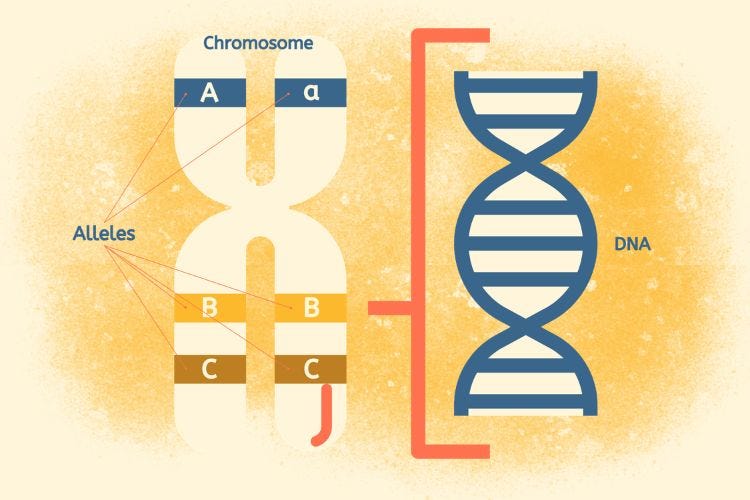
Ancestral alleles adapted for ancient environments increased the risk of disease in modern environments. That is how both ancient and newly derived alleles increase the risk of disease. And that is why ancestral risk alleles are more prevalent in African populations whereas newly derived alleles risk Eurasian populations more.
What makes us vulnerable to a specific disease today is a recent genetic variation in our ancient gene systems. Every single person may have unique genomes depending on their genetic histories. These genetic histories change with their geographical journeys through evolution and adaptations to different environments. Latest genomic advances have enabled us to unearth every single individual’s historical tendencies to various illnesses in greater detail. It enables us to treat their illnesses in the most individualized manner, thereby making it the most effective.
Environmental Changes Vs Genetic Disposition
But the most recent environmental changes and socio-psychological factors are much bigger causes of disease than genetic disposition. How do we deal with them?
Ancestral susceptibility model proposes that the ancestral alleles were adapted as per the ancient environments. However, these alleles were not flexible enough to cope with environments that changed rapidly over the past 10,000 years. They can then generate risks of evolutionary mismatch in those changed environments leading to disease.
Here arises a very important question that needs to be answered in a very clear way. Forming of alleles is understandable as natural selection is always a trial and error process. But what makes this process so rigid as to be inept at coping with rapidly changing environments?
Here is a quote from an article from New York University. It says…
“A new analysis concludes that the ability of early humans to adjust to changing conditions ultimately enabled the earliest species of Homo to vary, survive, and begin spreading from Africa to Eurasia, marking a reconsideration of the evolutionary factors that drove these changes.”
- NYU 3 July 2014, Early Humans’ Adaptability to Changing Environment Offers New Insights into Evolution
If it is so, why aren’t we able to live a healthy life anywhere on Earth today?
Let’s look into various diseases separately to try answering this more general question regarding health and disease.
Alzheimer’s disease:
Alzheimer’s disease is a neurodegenerative disease, i.e., a disease of brain cells leading to gradual memory loss. It first starts with forgetting the most recent events. Later it moves on to affect language, orientation, emotions, motivation and behavior. In the advanced stages, even involuntary memory begins to wane. That is when the patient starts moving toward death. It takes a few (3-9) years, from its onset to eventual demise.
Genetic factors and environment, both play their role in the progression of this disease, like any other. The strongest of the genetic factors is an allele of apolipoprotein E (APOE) metabolizing fats in the body. Clinical depression and hypertension are also the possible risk factors.
Only 1 - 2% of the cases are inherited. Most cases are sporadic with late-onset Alzheimer’s disease (LOAD) afflicting after the age of 65.
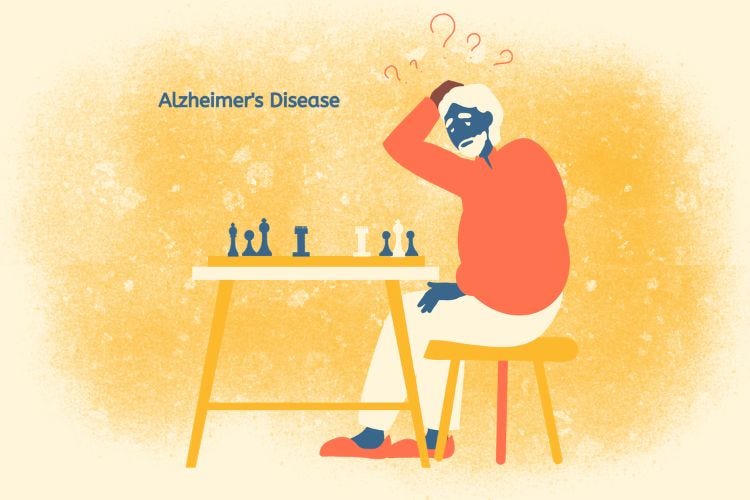
I come from a family that had three of its members succumbing to Alzheimer’s disease. But then, there were others in the family who never contracted it. I hope I am one among those who never do, especially when I have my central fixation intact! An open crown chakra tends to keep Alzheimer’s away.
Why do I say so? It is an insight that I got from opening my crown chakra, thus curing my lifelong myopia. Though when it happened, I never knew what my body had done to cure me. It is my contention that body intelligence is way bigger than the intelligence of our conscious mind. It does its healing silently. And body intelligence works the best when its anatomy is not compromised, paving the way to its physiology working impeccably. And to a certain extent, this intelligence works most efficiently in the vicinity of its actual physical location. Hence, almost all the irregularities taking place in the skull region are most affected by the skull anatomy getting compromised.
This forms the foundation on which Skeletal Leap’s case for healing lifestyle diseases is built. This would then coincide with the healthiest phase of bipedal evolution, devoid of all those leftover holes. This was what had cured my myopia in the first place when my skull entered its healthiest phase as part of my own personal bipedal evolution.
A healthy anatomy lies at the root of a healthy physiology. And when the skeletal meditations facilitated by Skeletal Leap open the related chakra, it is the anatomy of that local area which turns healthier. It turns their related physiology healthier too.
The best part is that the body does all this healing on its own regardless of whether we are able to rationalize it through logical analysis or not. This silent healing process of the body is very potent.
And this is the healing philosophy that Skeletal Leap bases all its skeletal meditations on. They tend to heal the anatomy of the body which, in turn, tends to heal the associated diseases based on its own superior intelligence. This superior intelligence works way better and way faster than any analytical procedures invented by medical science to date.
Arthritis:
Arthritis means disorders affecting joints, turning them stiff and painful while limiting their movement.
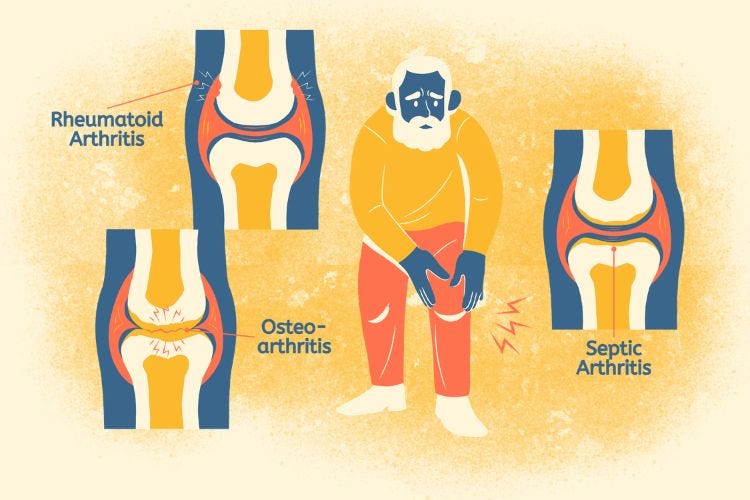
Osteoarthritis is a degenerative joint disease that affects fingers, knees and hips. Rheumatoid arthritis is an autoimmune disease that affects hands and feet. Other joint conditions like gout, lupus, fibromyalgia and septic arthritis are all different types of rheumatic diseases.
Arthritis, in general, can be any among the following types characterized by joints alone:
Osteoarthritis | Rheumatoid Arthritis | Gout and Pseudo-gout | Septic Arthritis | Ankylosing Spondylitis | Juvenile Idiopathic Arthritis | Still’s Disease | Psoriatic Arthritis
Joint pains can also exist as a secondary symptom of some other main disease, like:
Psoriasis | Reactive Arthritis | Ehlers-Danlos Syndrome | Iron Overload | Hepatitis | Lyme Disease | Sjogren’s Disease | Hashimoto’s Thyroiditis | Celiac Disease | Non-celiac Gluten Sensitivity | Inflammatory Bowel Disease | Henoch-Schonlein Purpura | Hyperimmunoglobulinemia D with Recurrent Fever | Sarcoidosis | Whipple’s Disease
The Story of My Encounter with Arthritis
In 2019, while I was in a traumatized state due to long-suppressed anger, I fell prey to viral arthritis. The virus was there in the air in my city that year. It caught my wrists, hands and fingers with an acute pain in their joints. All my neighbors caught the virus too.
As I generally do in response to any infection, I didn’t consult any physician but decided to wait and watch. Five months passed without any improvement in the situation. Ultimately I consulted a specialist who gave me a strong course of medication for one week. He assured me I would be okay within a week.
A week later, I was not only back at his clinic but my condition was worse too. I saw clear signs of panic on my physician’s face. He had already done the best he could have. He took a stance that mine was not a case of viral arthritis as such. He said it was most probably the onset of rheumatoid arthritis. Hence he referred me to the most popular rheumatoid specialist in the city.
This scared me because rheumatoid arthritis, unlike viral arthritis, was an autoimmune disease. And I was aware that medical science hadn’t yet been able to invent a total cure for any autoimmune irregularity.
The new doctor tested my blood to assess if it was, indeed, the onset of rheumatoid arthritis. When he came to the conclusion that it was most probably so, he started me on a course of what I call “medicinal management”. It meant that I was doomed to live with this condition for the rest of my life, managing the disease perennially.
I told him I wasn’t interested in disease management alone. What I was interested in was a complete cure. I asked him if it was possible or not. If it was, I would prefer living a free life without any precautionary conditions attached to it. If it wasn’t, I would rather say bye to the world. He could not say yes but tried his best to change my mind and gave me a month-long course of medication.
I told him I had done my own personal research on central fixation and its connection to lifestyle diseases. I added that, while giving his medication a shot, I would start my central fixation procedure simultaneously. If, at the end of the month, I was able to live without his next monthly dose, I’d continue living.
In the end, to make things lighter, I said, “If I do, I will invite rheumatoid patients the world over to come to me for a permanent cure!”
He was ready, smiling with his funnily crisp reply, “Hey! I need to put food on the table for my family too!”
I immediately started focusing on central fixation of my body; something I had ignored due to my trauma.
The chakras that helped me the most in healing my condition through dissolving (or opening) themselves were solar plexus chakra, throat chakra and crown chakra. I can understand if, now, you are wondering to yourself, “If existence of chakras is the problem, how can they ‘help’?” Let me explain. Solar plexus chakra opened up to keep my thoracic diaphragm relaxed making my exhalations longer than my inhalations while breathing. Opening the throat chakra brought my arms and hands back to their natural posture for good. And an open crown chakra took care of my autoimmune tendency.
I lived! Not only lived, I thrived. And I have never needed arthritis medication since.
Atherosclerosis:
Atherosclerosis narrows the walls of the arteries due to atheromatous plaque buildup causing lesions in the artery walls. The narrowing of arteries reduces the flow of oxygenated blood to the associated body parts. With the passage of time, it may lead to coronary artery disease, stroke, peripheral artery disease or complications in the kidney.
The process of atheromatous plaque buildup is not well understood. It retains low density lipoprotein in the walls of these arteries. Whether this retention is the cause or an effect of the entire inflammatory process remains a mystery.
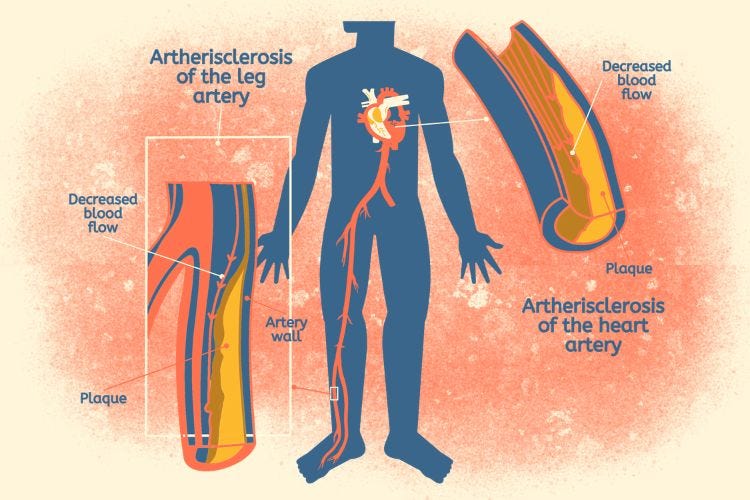
The plaque deposited in the muscle cells of the artery walls makes them stretch to accommodate its bulk. This makes the artery wall stiff and unable to stretch further with every heartbeat.
The condition ends up in hypertension and heart condition in the due course of time. As of now, its medical prognoses are largely guesswork.
I propose that opening the solar plexus and heart chakras tends to both, prevent and cure atherosclerosis.
As I have pointed earlier, Skeletal Leap with the help of its skeletal meditations can heal the body anatomy in the region of the lungs and heart, especially in the main arteries nearby. This healed anatomy automatically heals the compromised physiology of the associated organs through innate body intelligence.
This is what Hippocrates, Father of Medicine, meant when he said, “Disease [is] not an entity, but a fluctuating condition of the patient’s body, a battle between the substance of disease and the natural self-healing tendency of the body.”
Asthma:
Asthma inflames the air passages to and from the lungs resulting in obstruction of the breathing process. It causes wheezing, coughing, a tightened chest and a very short breathing pattern. Episodes of asthmatic fits can occur at a frequency ranging from a few times a day to a few times a week.
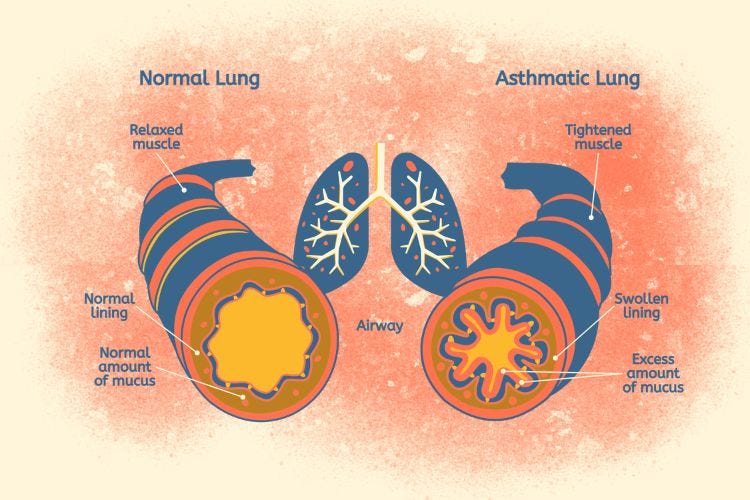
Asthma is considered to be a psychosomatic disease, caused by a combination of genetic and environmental factors. The disease doesn’t have any permanent cure but is manageable with the use of inhalers comprising beta-2 agonists like salbutamol and corticosteroids.
It is a widespread disease throughout the world affecting 262 million people that killed 461,000 of them in 2019 alone.
It is my contention that the chakra attached to this psychosomatic disease is the solar plexus chakra which tends to set asthma right when opened.
Asthma is a psychosomatic disease in which the trachea gets compromised, both in its anatomy and physiology. Skeletal Leap uses skeletal meditations to heal its anatomy which, in turn, can then heal itself.
Cancer:
Cancer signifies uncontrolled cell growth that may spread to the neighboring parts of the body. More than 90% cases are caused by mutations owing to environmental and lifestyle factors. The rest of them are caused by inherited genetics.
How does a normal cell turn into a cancerous cell? In order to change its regulation, its genes must get altered in one way or another. These altered genes comprise oncogenes and tumor suppressor genes. Oncogenes promote cell growth and reproduction. Tumor suppressor genes inhibit cell division and survival.
Mutations cause a gain or loss of a portion of a chromosome.
So, the process develops as follows:
A mutation takes place in the error correcting system in a cell.
A further mutation takes place in an oncogene causing the cell to grow and reproduce more speedily.
A further mutation takes place in a tumor suppressor gene causing the cell to disrupt its tumor suppressing system.
A further mutation takes place in the signaling system of the cell causing it to send erroneous signals to its neighboring cells.
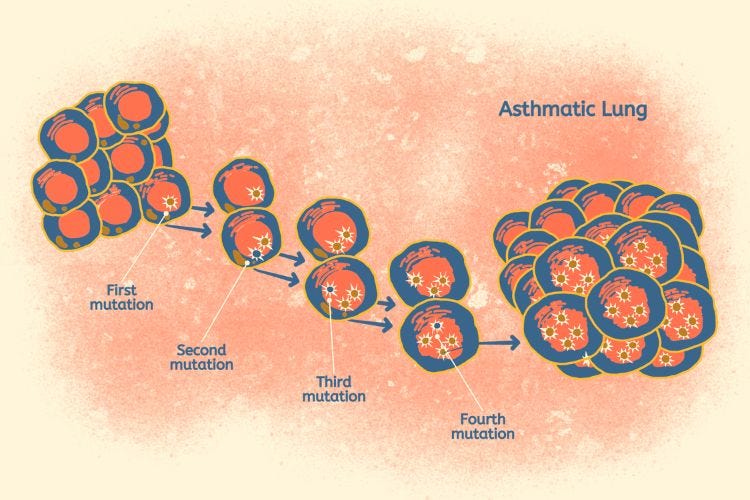
As a result, the cell in question turns into a cancerous cell.
In 2019, 18 million cancer cases were reported. Annually, 8.8 million deaths are caused by cancer. It remains one of the biggest challenges facing medical science today.
My study suggests that opening the crown chakra is the most instrumental in tending to keep cancer away.
Cancer is a disease of the immune system going hay wire. Skeletal Leap contends that it can heal the overall anatomy of a body afflicted with cancer including its most important part in the skull that houses the brain in it.
Chronic Liver Disease or Liver Cirrhosis:
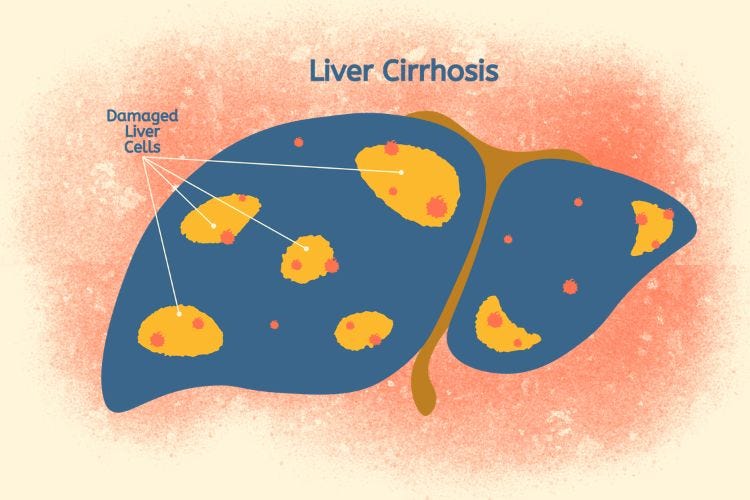
Chronic liver disease is the process of disruption of the entire liver structure and function resulting in liver fibrosis and liver cirrhosis. Liver fibrosis means accumulation of extracellular matrix proteins including collagen. That is what happens in most kinds of chronic liver disease. Advanced liver fibrosis ends up in liver cirrhosis ultimately requiring liver transplantation.
Signs of liver disease are associated with two different parameters - decompensation and cause.
Signs and Symptoms: Nail clubbing | Palmar erythema | Spider nevi (angiomata) | Gynaecomastia | Feminizing hair distribution | Testicular atrophy | Small irregular shrunken liver | Anaemia | Caput medusae
Signs associated with the Decompensation: Drowsiness (encephalopathy) | Hyperventilation (encephalopathy) | Metabolic flap/asterixis (encephalopathy) | Jaundice (excretory dysfunction) | Ascites (portal hypertension and hypoalbuminemi) | Leukonychia (hypoalbuminaemia) | Peripheral oedema (hypoalbuminaemia) | Bruising (coagulopathy) | Acid-base imbalance, most commonly respiratory alkalosis
Signs associated with the Cause: Dupuytren’s contracture (alcohol) | Parotid enlargement (alcohol) | Peripheral neuropathy (alcohol and some drugs) | Cerebellar signs (alcohol and Wilson’s disease) | Liver enlargement (alcohol, NAFLD, haemochromatosis) | Kayser-Fleischer rings (Wilson’s disease) | Increased pigmentation of the skin (haemochromatosis) | Signs of right heart failure
Cirrhosis is the final stage of chronic liver disease. Between 1990 and 2017, the number of cases of decompensated cirrhosis around the world rose from 5.2 million to 10.6 million. By 2019, cirrhosis caused 1.47 million deaths worldwide. The major causes were alcoholism, hepatitis B and hepatitis C.
Opening the root chakra, the sacral chakra and the solar plexus chakra, in my analysis, plays the most important role in keeping the liver intact.
Liver is a part of the gut and, hence, Skeletal Leap addresses it through skeletal meditation aimed at healing the anatomy of the gut. The healed anatomy tends to heal its physiology depending on which stage it has already proceeded to.
Chronic Obstructive Pulmonary Disease:
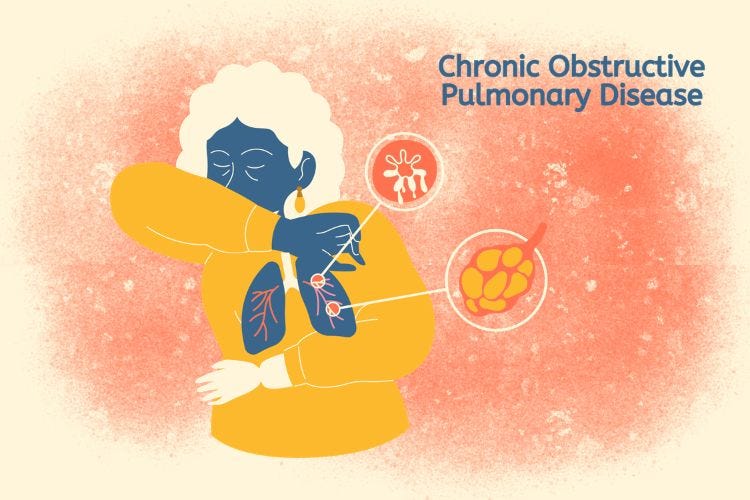
Chronic obstructive pulmonary disease (COPD) is a progressive lung disease caused by chronic respiratory issues. The condition is characterized either by emphysema or chronic bronchitis. Emphysema breaks down the walls of enlarged airspaces resulting in irreversible lung damage.
In 2019, the condition took a toll of 3.23 million lives. An astonishing 391.9 million cases were estimated in 2019, making it almost 10% of the global population aged between 30 and 79 years.
An open solar plexus chakra tends to keep chronic obstructive pulmonary disease at bay. Healing depends on which stage the disease has already progressed to. In case irreversible lung damage has not yet happened, Skeletal Leap can successfully facilitate skeletal meditations to heal the anatomy of the chest region. Once the anatomy has healed, the physiology follows suit.
Colitis:
Colitis is a chronic condition of an inflamed colon, with or without ulcers.
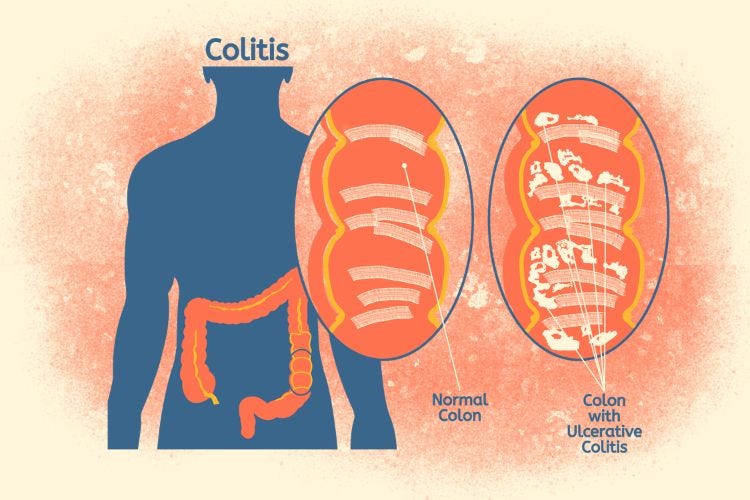
There are quite a few different types of colitis ranging from autoimmune to infectious colitis, namely:
Autoimmune Colitis: Inflammatory Bowel Disease, comprising ulcerative colitis and Crohn’s disease | Microscopic Colitis: comprising lymphocytic colitis and collagenous colitis | Diversion Colitis | Chemical Colitis | Chemotherapy-induced Colitis | Radiation Colitis | Checkpoint-Inhibitor-Induced Colitis | Ischemic Colitis | Infectious Colitis
I have learnt that opening the root chakra, the sacral chakra and the solar plexus chakra is most instrumental in treating colitis.
The healing depends on which type of colitis it is. Hence the safest bet is to heal the entire body’s anatomy through skeletal meditations with a special emphasis on the gut.
Irritable Bowel Syndrome:
Irritable bowel syndrome (IBS) comprises abdominal pain with inconsistent bowel movements.
There are four types of this condition:
IBS-D - characterized by persisting diarrhea | IBS-C - characterized by persisting constipation | BS-M/IBS-A - characterized by persisting diarrhea and persisting constipation | IBS-U - characterized by neither persisting diarrhea nor persisting constipation
The condition is often accompanied by anxiety, depression and chronic fatigue syndrome all of which affect the overall quality of life negatively.
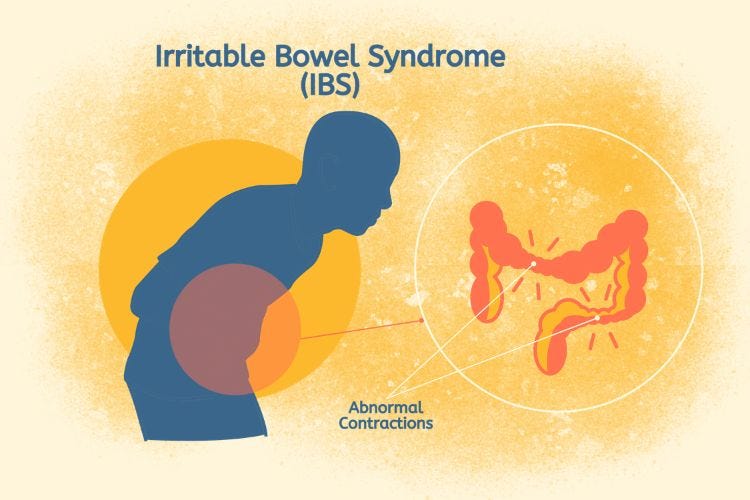
Irritable bowel syndrome affects 1 in 10 people of the entire world population.
Again, opening the root chakra, the sacral chakra and the solar plexus chakra is the most instrumental in treating IBS.
When it comes to healing IBS, Skeletal Leap tends to work at two different levels of healing the body anatomy through skeletal meditations. The first one works at the level of gut and the second works at the level of skull. The two together address the digestive system with the accompanying anxiety, depression and chronic fatigue syndrome.
Type 2 Diabetes:
Type 2 diabetes is characterized by high blood sugar caused by a reduction in insulin produced by the pancreas. 90% of diabetic cases are of this type. The remaining 10% (8.4 million estimated in 2021 worldwide) constitute type 1 diabetes which is autoimmune along with gestational diabetes.
The classic symptoms of type 2 diabetes are:
Frequent urination (polyuria) | Increased thirst (polydipsia) | Increased hunger (polyphagia) | Weight loss
Other symptoms include:
Blurred vision | Itchiness | Peripheral neuropathy | Vaginal infections | Fatigue | Loss of taste
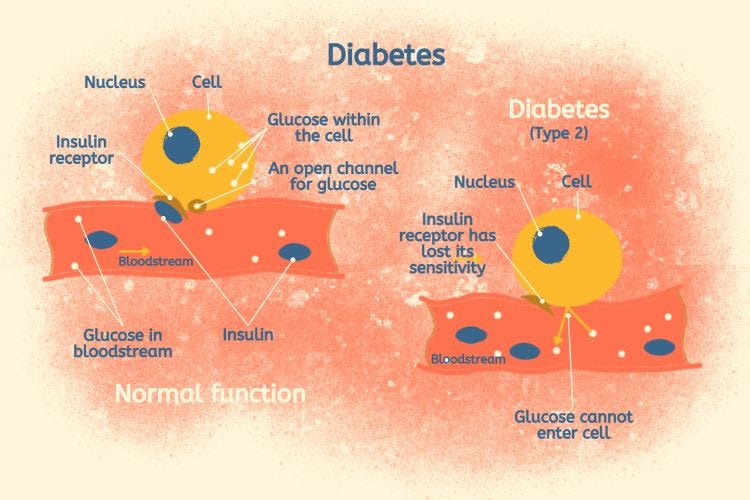
The causative factors are a combination of lifestyle and genetic factors.
In 2021, 537 million people were afflicted with diabetes the world over. It shortens life-expectancy by as much as around 10 years.
Once again, opening the root chakra, the sacral chakra and the solar plexus chakra is the most instrumental in treating diabetes.
The healing process needs to focus on healing the anatomy of the pancreas. Its widespread prevalence the world over makes this disease very serious. Skeletal meditations that heal the entire body’s anatomy with special emphasis on the gut seem to work the best to eradicate the condition.
Cardiovascular Disease:
Cardiovascular disease is a category of various diseases associated with the circulatory system such as:
Coronary artery diseases including angina and myocardial infarction | Stroke | Heart failure | Hypertensive heart disease | Rheumatic heart disease | Cardiomyopathy | Abnormal heart rhythms | Congenital heart disease | Valvular heart disease | Carditis | Aortic aneurysms | Peripheral artery disease | Thromboembolic disease | Venous thrombosis
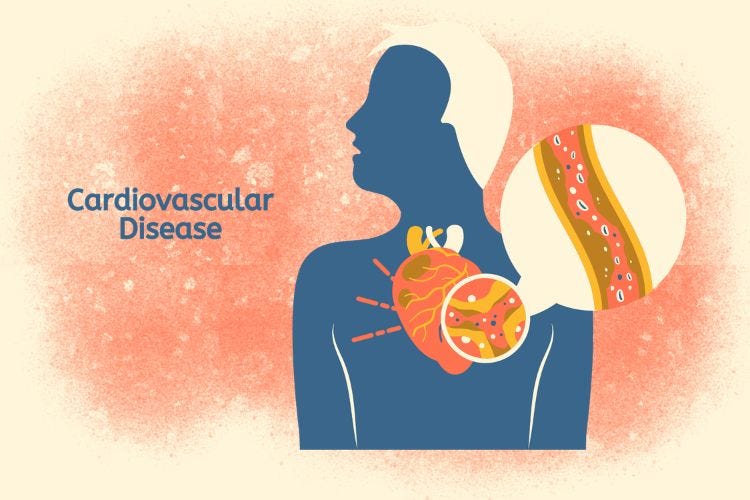
Genetics is an important factor since it could increase the risk of cardiovascular disease by 300%.
Cardiovascular diseases are the biggest cause of death throughout the world, the only exception being Africa. It was estimated that 17.9 million people died from CVDs in 2019, representing 32% of all global deaths. Of these deaths, 85% were due to heart attack and stroke.
The solar plexus chakra and the heart chakra play the main role in dealing with cardiovascular diseases.
These are, again, very widespread diseases. Skeletal Leap’s answer is to heal the entire body’s anatomy through skeletal meditations with a special emphasis on the chest region.
Hypertension:
Hypertension, aka high blood pressure, is characterized by a persistent rise in blood pressure. It primarily harms a person by increasing the risk of:
Stroke | Coronary artery disease | Heart failure | Atrial fibrillation | Peripheral arterial disease | Vision loss | Chronic kidney disease | Dementia
Hypertension may be a primary condition, caused by lifestyle aberrations or genetic factors, or secondary, as a side-effect of other causes. Blood pressure is measured as systolic and diastolic pressures that correspond to its maximum and minimum pressures.
The condition affects 1.28 billion adults aged 30-79 years which is about 16% of the global population.
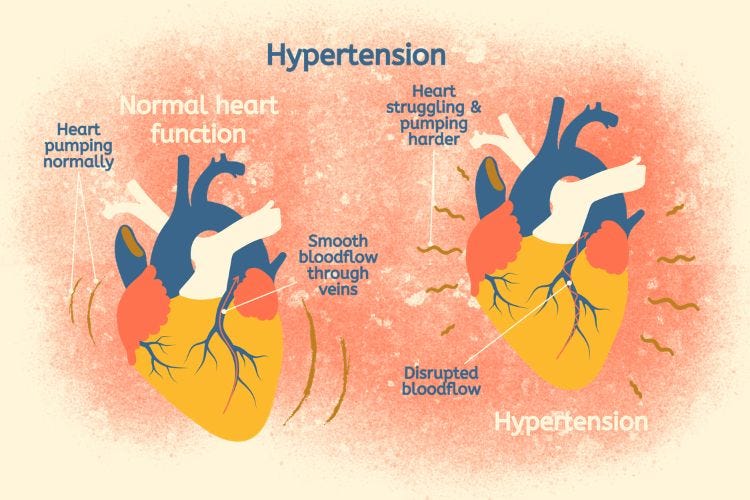
It was also a factor in 13.5% of all deaths counting to 7.6 million in the year 2011.
Opening the solar plexus, heart and crown chakras tends to do the needful to keep hypertension away.
Skeletal Leap achieves this through skeletal meditations focused on healing the body’s anatomy in two parts - the chest and the skull.
Metabolic Syndrome:
Metabolic syndrome is a condition characterized by the presence of any three of the following conditions in the body:
Abdominal obesity | Hypertension | High blood sugar | High serum triglycerides | Low serum high density lipoprotein
Left untreated, this condition, affecting around 20-25% of global population, may result in cardiovascular disease or type 2 diabetes.
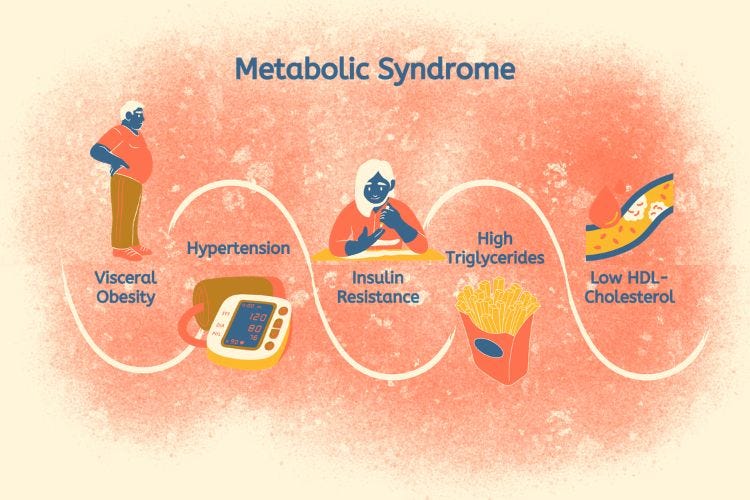
Opening the root, sacral, solar plexus and heart chakras tend to address metabolic syndrome effectively.
Healing the body’s anatomy in the gut and the chest seems to work best in relieving the syndrome. That is exactly what Skeletal Leap focuses on through skeletal meditations.
Chronic Kidney Disease:
Chronic kidney disease is characterized by a loss in kidney functions. The causative factors of the disease are:
Diabetes | Hypertension | Glomerulonephritis | Polycystic kidney disease
In the year 2022, more than 800 million people are estimated to be affected by chronic kidney disease globally, causing 1.3 million deaths.
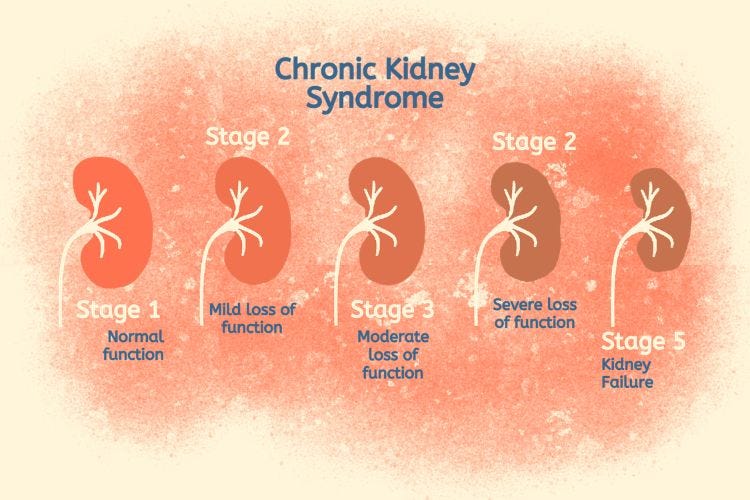
Opening the root, sacral and solar plexus chakras is the most instrumental in treating chronic kidney disease.
Changing the body’s anatomy in the gut through skeletal meditations seems to work provided the disease has not progressed to an advanced stage.
Osteoporosis:
Osteoporosis is a condition characterized by the deterioration of bone tissue resulting in lower bone mass. It tends to make bones more fragile and prone to fractures.
Homo sapiens have a greater tendency to suffer this disease as their bones are more porous than other primates. This is, at once, an expected outcome as well as cause of bipedalism.
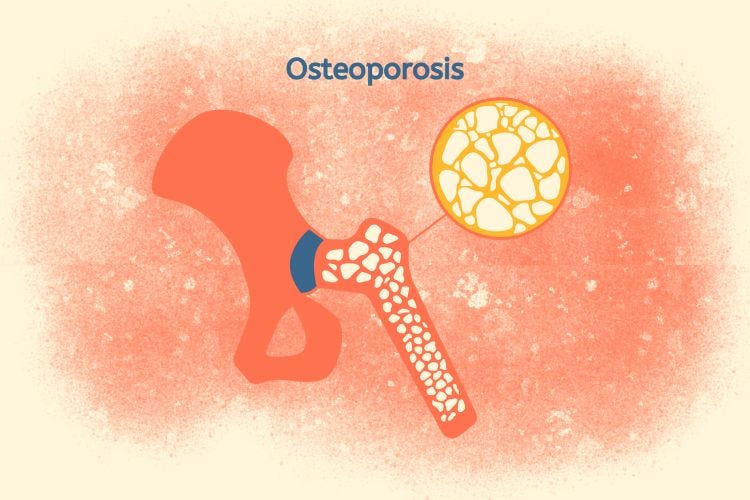
Porous bones in Homo sapiens absorb the stress on two surfaces as compared to four in their primate cousins. At the same time, porosity means a lighter and more flexible skeleton that is of much benefit to Homo sapiens.
The disease is more common in females than in males. It affects 18.3% of the global population, which breaks down to 11.7% of males and 23.1% females. It can be prevented to a great extent if we ensure necessary calcium in our diet.
Osteoporosis responds to opening all 7 chakras in one associated sequential order.
Skeletal Leap addresses the entire body’s anatomy through skeletal meditations to alleviate osteoporosis.
Polycystic Ovary Syndrome:
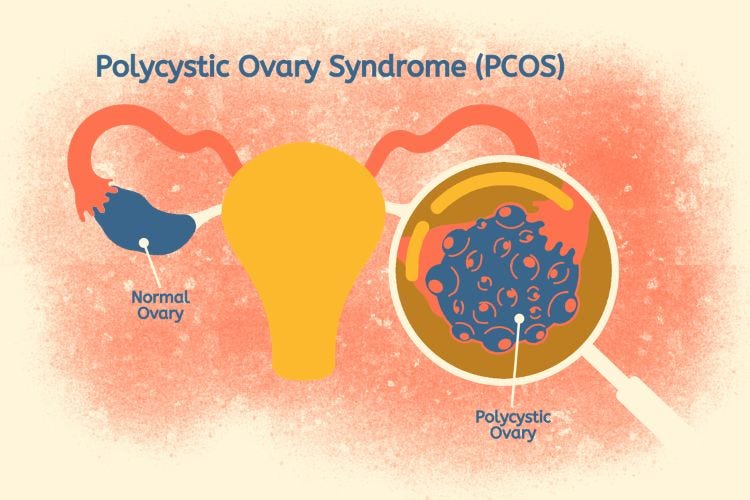
Polycystic ovary syndrome is an endocrine disorder in females of reproductive age, that causes cysts in their ovaries.
The effects and characteristics of the disease include:
Irregular menstrual periods | Heavy periods | Excess hair | Acne | Pelvic pain | Difficulty in conceiving | Patches of thick, dark and velvety skin | Hyperandrogenism | Anovulation | Insulin resistance | Neuroendocrine disruption
The condition affects an estimated 8-13% of the female population globally while another 70% of the affected women are estimated to be undiagnosed.
There are no known causes of or cure for this disease.
Opening the sacral chakra is crucial in curing PCOS.
PCOS responds the best to healing the gut’s anatomy and physiology through skeletal meditations.
Stroke:
Stroke is a condition characterized by a lack of blood flow to parts of the brain. It causes brain cells to die in those affected parts. The condition is of two types, ischemic stroke and hemorrhagic stroke. In the former type, a reduced supply of blood is the causative factor. In the latter, it is bleeding.
The major risk factors causing a stroke are:
Hypertension | High blood cholesterol | Obesity | Diabetes mellitus | End-stage kidney disease | Atrial fibrillation
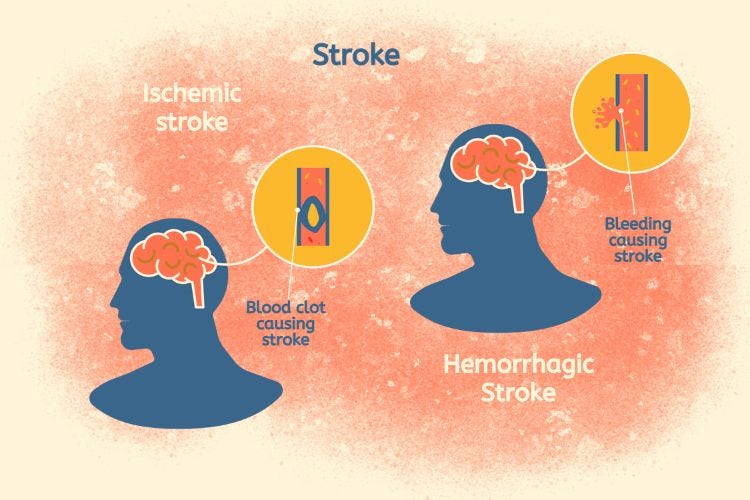
In the year 2019, ischemic stroke befell 101.5 million people globally of which 3.3 million were left dead whereas 2.9 million died of a hemorrhagic stroke among 20.7 million that were affected by it. In 2015, stroke was the second biggest killer next to coronary artery disease.
Opening the solar plexus, heart and crown chakras is the most important maneuver to keep any probability of a stroke away.
Skeletal Leap focuses on healing the anatomy of the chest and skull through skeletal meditations to relieve this condition.
Major Depressive Disorder:
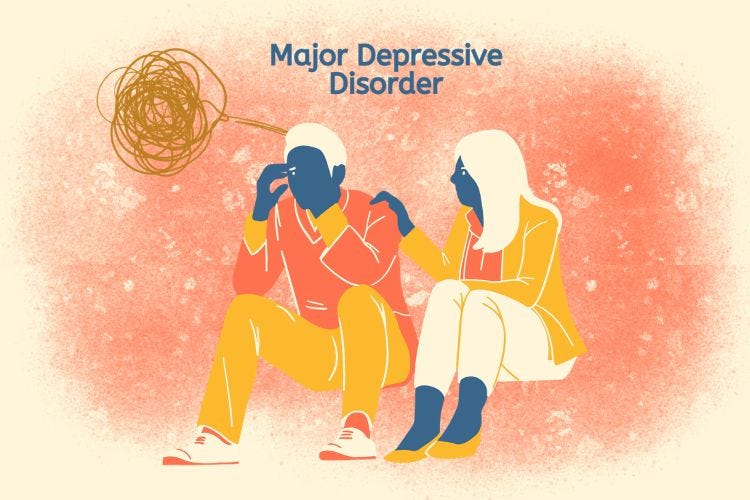
Major depressive disorder aka depression is a dysfunction of the mind that also affects the thinking capacity of the brain.
The condition is characterized by:
Low mood | Low self esteem at every level | Loss of interest in routine as well as in fun activities | Delusions | Hallucinations
The condition, once contracted, stays for a few months to the entire lifetime. Psychiatry treats the victims with antidepressant medication and psychotherapy. In case of emergencies like acute suicidal tendencies, the patient needs to be hospitalized for safety.
The causes are believed to be genetic, environmental as well as psychological. But nothing has yet proved to be of much help in curing the disease once and forever.
In the year 2023, major depressive disorder afflicted 280 million people globally. That amounts to almost 4% of the entire world population. In general, depression has already started assuming widespread proportions the world over.
Two Interesting Stories of Internalizing Anger
In my personal experience, depression internalizes the patient’s aggressive emotions against themselves. For example, it had wrapped its claws around one of my friends some 40-odd years ago. He could never come out of it in the true sense of the word.
Once, even in his acutely depressed mode, he got angry with me about something we had been discussing. And he unleashed that anger. As he did so, he instantaneously seemed to have come out of his depression. He sounded exactly like he used to sound before he had fallen victim to it. Once his aggressive expression ended, he slid back into his depression. He returned to internalizing his anger - a characteristic symptom of depression.
I don’t mean to say that aggression or anger is a healthy stance of mind. I have already told you under the topic of ‘Arthritis’ how my suppressed anger had afflicted me with succumbing to viral arthritis. What I mean to say is that aggression can bring one out of one’s depression. It can bring one to a state of so-called ‘normal’.
I witnessed another case of internalized anger, this time in a terminal schizophrenic on street. He was a recluse who kept roaming aimlessly on streets, talking gibberish to no one in particular. One day, I stood street-side with a group of my trainees. It was then that he passed us by. One of my very aggressive trainees mocked him with a derogatory remark. And what we witnessed next was eye-opening.
The terminal schizophrenic stopped for a moment, turned back and addressed this aggressive trainee of mine loudly. He yelled, “One should at least possess a sense of etiquette, if nothing else.”
Immediately thereafter, he went back to being his gibberish old self.
We were all taken aback by what we had just seen and heard. A terminal schizophrenic had momentarily come out of his illness and then voluntarily slid back into it!
Do people take a secure refuge in their mental disorders unconsciously? Maybe they take this secure refuge through internalizing their emotions against themselves to avoid facing the harsh realities of life unconsciously.
It is something we really need to research!
As far as chakras are concerned, the chakra that is key to fighting depression is an open crown chakra.
Thankfully, today’s world understands the seriousness of mental illnesses quite well. That is why Skeletal Leap focuses on healing the entire body anatomy, which, in turn, tends to heal the neurology and the psychology of the entire mind-body system.
Obesity:
Obesity as a debilitating condition of excess fat on the body disrupts health, fitness and wellness.
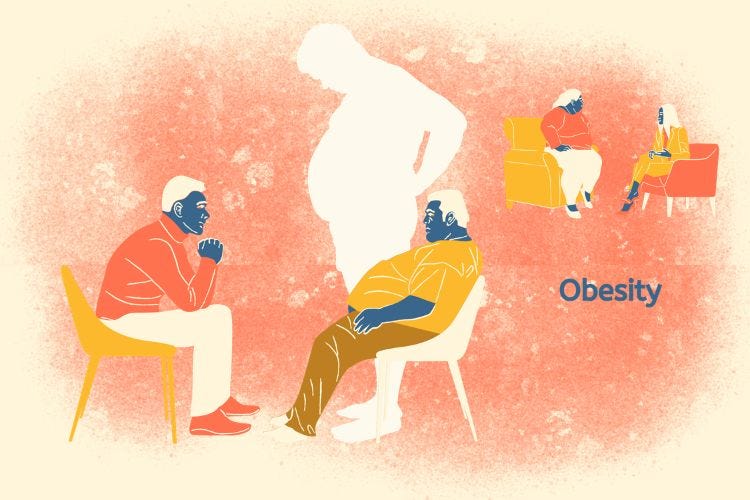
Obesity is quantitatively defined as body mass index (BMI) crossing 30 kilogram of body weight per meter square of height. The range between 25-30 kilogram per meter square is defined as overweight.
The condition is considered to be a breeding ground for:
Cardiovascular diseases | Type 2 diabetes | Obstructive sleep apnea | Some specific cancers | Osteoarthritis | Depression (in a dialectical relationship with obesity)
Obesity has a long list of causative factors including:
Dietary imbalance | Physical inactivity | Automotive devices | Urban lifestyle | Genetics | Excess medicinal intake | Mental dysfunctions | Endocrine disorders
Right now, more than 42% of all Americans are obese. Also, the number of obese people globally has more than doubled in the last 30 years resulting in 2.8 million annual deaths by 2021. By the year 2015, the US and China topped the list of obese populations. By the same year, China and India topped the list of countries with the largest numbers of obese children.
Obesity throughout the world has assumed a debilitating stature making its scale even larger than any other disease. That is why and how the weight loss business has become one of the most lucrative businesses the world over!
Skeletal Leap addresses the challenge of obesity through skeletal meditations healing the entire body’s anatomy.
Here is an interesting corollary:
The best way to lose belly fat is opening the solar plexus chakra. Doing so relaxes the thoracic diaphragm which, in turn, makes exhalations more emphatic than inhalations while breathing. And, as breathing is a 24 hour process, it tends to lose belly fat much faster than any other weight loss method.
Vascular Dementia:
Vascular dementia is a type of dementia caused by aberrations in blood supply to the brain. Such aberrations result in minor strokes accompanied by degenerative cognition. With the passage of time, the brain structure experiences an irreversible cognitive regression.
Vascular dementia is the second biggest cause of dementia-related deaths, the first being Alzheimer’s disease. The condition afflicts 1.5% of the population in Western countries and an even larger section in the rest of the world.
Opening the crown chakra tends to heal vascular dementia the most effective way.
Skeletal Leap addresses dementia through skeletal meditations healing the entire body’s anatomy. As anatomy heals, neurology and physiology follow suit.
Immune System Dysfunction:
Our immune system is a defensive network of biological processes aimed at protection against diseases. It first detects a pathogen, animate or inanimate, and then responds to it appropriately.
It has two major subsystems:
Innate immune system: protects against any pathogen
Adaptive immune system: protects against those pathogens for which antibodies have already been formed (which is how vaccines work)
Immune system dysfunction may cause:
Autoimmune diseases | Inflammatory diseases | Cancer
Immunodeficiency may stem from:
Genetic disease like severe combined immunodeficiency | HIV/AIDS | Use of immunosuppressive medication
Autoimmunity indicates a hyperactive immune system attacking its own healthy tissues mistaking them to be foreign invaders. It may result in diseases like:
Hashimoto’s thyroiditis | Rheumatoid arthritis | Diabetes mellitus type 1 | Systemic lupus erythematosus | Inflammatory bowel disease | Multiple sclerosis | Guillain-Barre syndrome | Chronic inflammatory demyelinating polyneuropathy | Psoriasis | Grave’s disease | Myasthenia gravis | Vasculitis | Celiac disease | Addison’s disease | Pernicious anemia
Innate immune system is the ultimate savior as it works in a generic manner against pathogens through pattern recognition receptors. Adaptive immune system may work in a stronger manner but only against limited pathogens. These few pathogens are the ones that the innate immune system has already built antibodies against.
Hence everything essentially falls back on the protective support system created by the innate immune system in the first place.
The Story of How My Innate Immune System Protected Me against the Coronavirus
In the year 2021, I had a family of relatives over. We would soon realize that all three of them had already contracted the Omicron variant of the Covid-19 virus on their flight to my city. As was expected, they passed on the extremely contagious virus to my entire family as well. Even the vaccinated ones weren’t being spared from it.
First of all, my daughter and a vaccinated friend of hers who had accompanied her to our house went down. Then another friend of mine who had visited me in their presence fell prey to it. Next, it was my wife to contract Omicron.
Logically, I should have been the next to catch the virus as there was none else left uninfected. Everyone including me kept waiting for the virus to afflict me but it just didn’t happen. All of us were astonished. I was not even vaccinated. It occurred to me that my practice of central fixation might have been my savior.
Central fixation empties the mind and sets it free not only turning the mind-body system spontaneously intelligent but also strengthening its innate immune system. It opens chakras via skeletal re-posturing of the body. It is this skeletal re-posturing that works wonders and is at the heart of Skeletal Leap.
The Omicron variant later entered the phase of widespread contagion. In contrast, I was spared despite close proximity to its source right inside my own house.
This experience does say something, perhaps a lot, about the extraordinary efficacy of central fixation of the eyes, the body and the mind!
I always felt that we, the Homo sapiens all over the world, overreacted to Covid-19 and rushed in a host of vaccines without even doing their human trials. That is why even the vaccinated ones aren’t really safe against the virus and its variants.
Skeletal Leap addresses all immune system dysfunctions through skeletal meditations, healing the entire body’s anatomy. Once the anatomy heals, the physiology follows in its footsteps.
The other day, I received a text meme forwarded to my mobile that made me laugh out loud (which I generally don’t). It’s hilarious! Must enjoy reading it in my PDF version.
We are going to look at the role of stress in generating lifestyle diseases in the next episode.
We will also look at the role of Skeletal Leap in dealing with stress.
Thanks for listening to this episode of Skeletal Leap: A Living Adventure! In the next episode, I will tell you about what stress really means in terms of chakras and skeletal postures.
Be a part of Skeletal Leap Community! Subscribe to Skeletal Leap Newsletter. Click on the link in the description to subscribe.
_____________________________________________________________
As I just told you in the Transcript above, the other day I received a text meme forwarded to my mobile that made me laugh out loud (which I generally don’t).
Let me give you a chance to do the same too…
The Covid Paradox : “Why Can’t I Step Inside, Unvaccinated?”
Helen: You can’t come in here!
Ivan: Why not?
Helen: Well because you’re unvaccinated.
Ivan: But I’m not sick.
Helen: It doesn’t matter.
Ivan: Well, why does that guy get to go in?
Helen: Because he’s vaccinated.
Ivan: But he’s sick!
Helen: It’s alright. Everyone in here is vaccinated.
Ivan: Wait a minute. Are you saying everyone in there is vaccinated?
Helen: Yes.
Ivan: So then why can’t I go in there if everyone is vaccinated?
Helen: Because you’ll make them sick.
Ivan: How will I make them sick if I’m NOT sick and they’re vaccinated?
Helen: Because you’re unvaccinated.
Ivan: But they’re vaccinated.
Helen: But they can still get sick.
Ivan: So what the heck does the vaccine do?
Helen: It protects them.
Ivan: So vaccinated people can’t spread COVID?
Helen: Oh no. They can spread COVID just as easily as an unvaccinated person.
Ivan: I don’t even know what I’m hearing anymore. Look. I’m not sick.
Helen: Ok.
Ivan: And the guy you let in IS sick.
Helen: That’s right.
Ivan: And everybody in there can still get sick even though they’re vaccinated.
Helen: Certainly.
Ivan: So why can’t I go in again?
Helen: Because you’re unvaccinated.
Ivan: I’m not asking who’s vaccinated or not!
Helen: I’m just telling you how it is.
Ivan: Never mind. I’ll just put on my mask.
Helen: That’s fine.
Ivan: Now I can go in?
Helen: Absolutely not!
Ivan: But I have a mask on!
Helen: Doesn’t matter.
Ivan: I was able to come in here yesterday with a mask on.
Helen: I know.
Ivan: So why can’t I come in here today with a mask on? ….If you say ‘because I’m unvaccinated’ again, I’ll break your arm.
Helen: Take it easy, buddy.
Ivan: So the mask is no good anymore.
Helen: No, it’s still good.
Ivan: But I can’t come in?
Helen: Correct.
Ivan: Why not?
Helen: Because you’re unvaccinated.
Ivan: But the mask prevents the germs from getting out.
Helen: Yes, but people can still catch your germs.
Ivan: But they’re all vaccinated.
Helen: Yes, but they can still get sick.
Ivan: But I’m not sick!!
Helen: But you can get sick. You need to be protected, that’s why you can’t come in.
Ivan: But if I pay money for an ART test and prove that I’m not sick, I can come in and you don’t have to protect me anymore?
Helen: Yea, coz it proves that you are not sick and they can’t get sick from you
Ivan: I thought you said you want to protect me from getting sick? But now you say if I’m proven to be healthy, then I can enter cos I can’t get the vaccinated people sick. So how in the heck does that work?
Helen: Because you are unvaccinated and vaccinated people can catch your germs and get sick
Ivan: So isn’t really to protect me from getting sick, is it?
Helen: I’m just doing my job, I don’t know anything
How was that? 😀
🔗 Series Bridge:
This masterclass is a 19-week journey through my book, The Mind-Body Connection. If you missed the foundation, start here: The 16-Part Prequel: 14 Core Principles.
🔑 Unlock the Practical Plan:
To truly master the Skeletal Leap, you need the step-by-step memoir and the associated practice codes found in the book.
Get the Book: The “Resource Codes” for this chapter’s PDF practice plan are found in the Amazon Paperback Edition.
Join the Movement: Download the Free Prequel Ebook via StoryOrigin and join our community.
Subscribe: Follow SKELETAL LEAP: The Mind Body Connection on Substack for weekly deep-dives into the human potential archive.
You may also like…
Skeletal Bones And Joints: How to Fix Jaw Posture Fast NOW!

SKELETAL LEAP: THE MIND BODY EVOLUTION SERIES